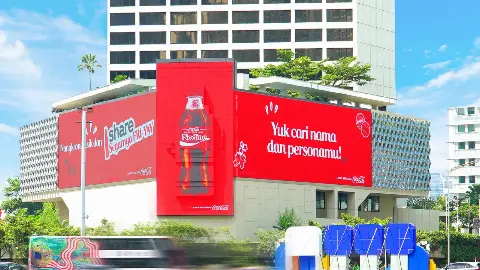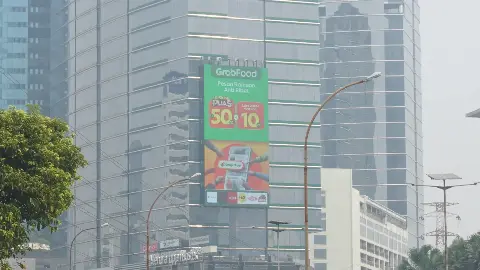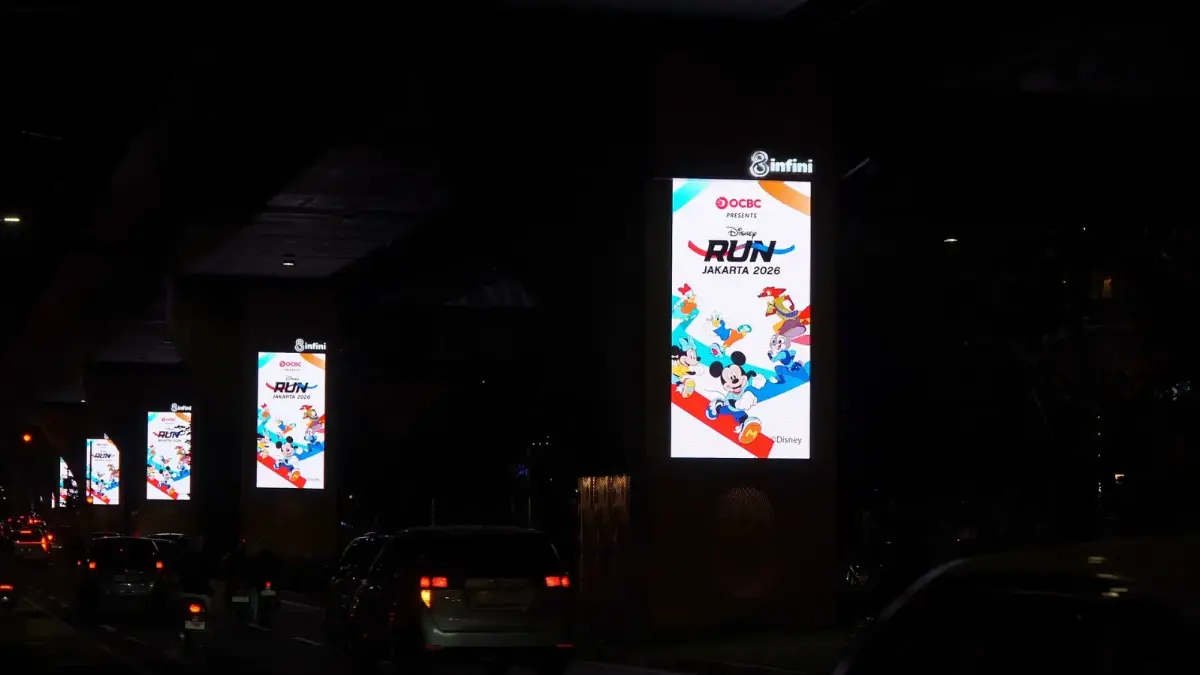
Proof of play for a videotron campaign is the evidence that your creative actually ran on the screen you booked, on the right face, during the dates and hours you paid for. In Jakarta and the other cities we operate in, that evidence usually comes in three layers: field photos or video, playback logs from the media player, and a record of any downtime with the make-good that covered it. Each layer answers a different question. If you are planning a campaign from abroad and will never stand in front of the screen yourself, agreeing on these layers before you sign matters even more.
What videotron proof of play does and does not show
Proof of play confirms delivery. It tells you the service you paid for happened. It does not measure how many people saw the ad, whether they remembered it, or whether sales moved. A lot of friction between advertisers and media owners comes from treating a delivery report as if it were an audience report.
So read any report with one question in mind first: did the right creative run on the right screen at the right time? Effectiveness is a separate question that needs separate data, such as regional sales, branded search, or promo codes assigned to individual sites.
The three layers and their blind spots
Use this table to judge whether the reporting you are offered is complete.
| Evidence | What it answers | Blind spot |
|---|---|---|
| Field photos and video | Is the creative visible on the physical screen, and does it look right? | Captures one moment, not a full day of delivery |
| Playback logs | How often and at what times was the file played? | Records what the player sent, not what drivers saw |
| Downtime and make-good records | When was the screen off or faulty, and how was the shortfall made up? | Only as good as the operator's record-keeping |
Field photos and video
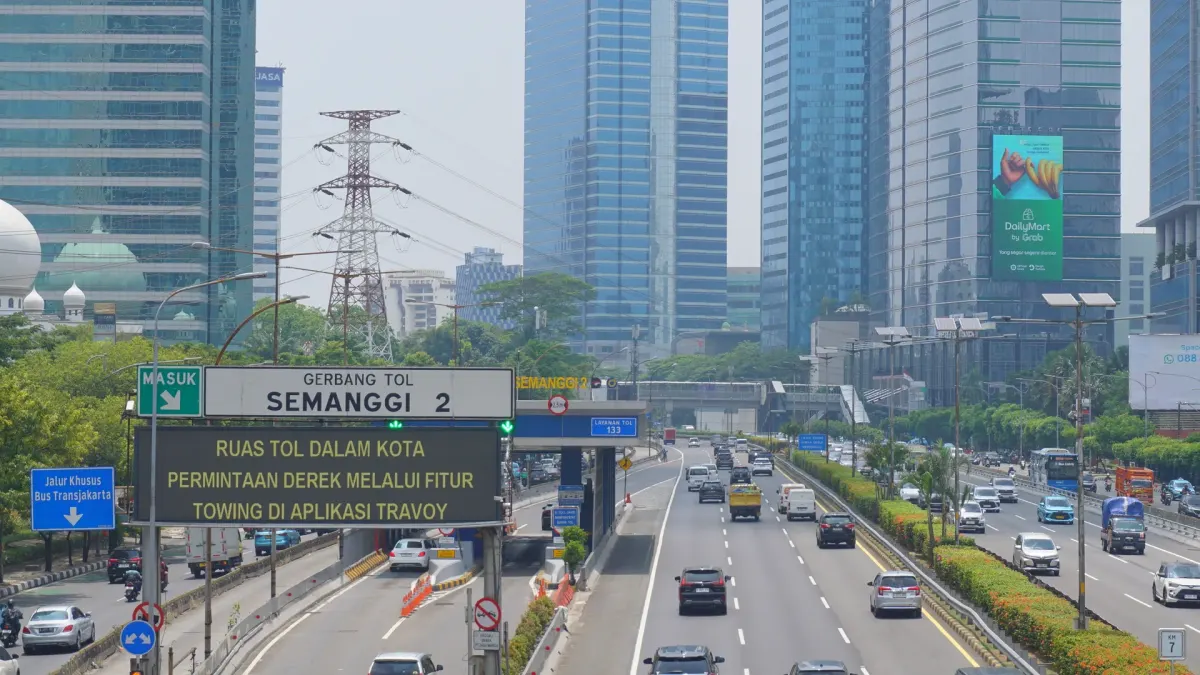
This is the evidence everyone on the client side understands at a glance. A useful photo is not a tight crop of the screen. It shows context: the road in front, the buildings around it, the direction of traffic. Without that, a photo of one of the 9 x 18 m screens at Mega Anggrek could belong to Side A, which faces traffic heading towards Tangerang, or Side B, which faces towards Semanggi.
Our operations team photographs screens on site, by day and after dark. Shots taken from a driver's distance tell you more than shots from directly below, because they show what the audience actually gets.
Playback logs
A videotron runs a loop shared by several advertisers. The playback log records when your file played and how many times within a given window, which lets you check plays against the package you bought. If you are still deciding on spot length and frequency, our piece on videotron slot length and frequency covers the trade-offs. Ask early whether logs are available for the specific sites on your plan and in what format, since player systems present the data differently.
Downtime and make-goods
Outdoor screens go dark for ordinary reasons: power cuts, module maintenance, network faults. What separates a well-run operator is how the gap is recorded and closed. Get clarity on two things before launch: how outages will be reported to you, and what form the make-good takes, for example extra days or extra plays.
Checking a field photo in five minutes
When photos arrive, review them before they go up the chain.
- Confirm the site and the face. A common mix-up is LED JLNT Satrio in Jakarta: Side A is a 2 x 4 m portrait screen facing towards Kota Kasablanka, while Side B, the same size, faces towards Tanah Abang. In Bandung, LED Buah Batu A faces the Padalarang toll road and Buah Batu B faces the city centre.
- Match the creative version against your rotation schedule.
- Check the date and time the photo was taken. An undated photo is weak evidence.
- Compare day and night shots. Dark backgrounds can disappear in midday glare, and full-white frames can flare after dark.
- Look for cropping and undersized copy. The 2 x 4 m JLNT Satrio screens and the giant LED Jamsostek (15 x 30 m) on Jl. Gatot Subroto are both portrait, yet they need very different type sizes, and resizing errors show up immediately in photos.
If anything is off, flag it the same day. A fix on day three costs far less than discovering the wrong version ran for two weeks.
What to agree before you sign
Most proof-of-play disputes can be avoided at the proposal stage. Write these into the brief or a contract annex: flight dates and the screen's operating hours, the number of creative versions and their switch dates, the evidence you will receive (photos, video, logs), how often reports arrive, and the procedure for outages.
Creative switches deserve special attention in December. Many brands run one Jakarta flight that covers three moments: the 12.12 sale, Christmas, then New Year's Eve. Ask for fresh documentation after each switch so you can show that the 12.12 offer came down on time and did not keep running after the promotion ended. For timing the whole season, see our note on planning a year-end campaign in Jakarta.
Agencies working for regional or global clients should also settle who receives the reports. When photos land with a local agency and never reach the brand team, small issues such as a cropped logo get fixed late.
Using the reports for finance and audit
Finance teams usually need proof of play attached to invoices. Marketing teams need it for campaign wrap-ups. Internal auditors may ask for both months later. File everything by site and period with consistent naming: site, face, date, creative version.

Avoid relabelling plays as "impressions" in internal decks. A play is one run of the file, not a count of viewers. If you need to judge impact, combine delivery evidence with business data, as described in our guide to measuring OOH campaign ROI in Indonesia. Proof of play confirms the media variable ran as planned, which gives any later analysis something solid to stand on.
Proof of play across several cities
Once a flight spans more than one city, the volume of documentation grows quickly and so does the chance of misfiling. A plan using LED Slipi in West Jakarta, the 6 x 12 m LED JPO Metropolitan Mall in Bekasi and both faces of LED Riau in Bandung already produces four separate evidence folders per reporting period. Without structure, a Bekasi photo ends up in the Bandung folder and nobody notices until audit.
The simplest fix is a weekly recap sheet with columns for site, face, city, the creative that should be running, the creative visible in the photo, and any downtime notes. Keep it plain, but make every row traceable to the original photo or log file. It also makes it easier to compare how the same creative reads on a 4 x 8 m screen in Bandung versus a much larger screen in Jakarta.
Mistakes we see most often
Asking for evidence only on day one. A launch-day photo proves the campaign started, not that it ran to the end. Request periodic documentation, especially around creative switch dates.
Not specifying the face on multi-sided media. The robotic LED at the Mandarin Oriental facing Bundaran HI has three sides of different sizes: 27 x 9 m, 8 x 16 m and 27 x 9 m. If your package covers particular sides, the evidence should be specific to those sides.
Confusing a good photo with good creative. A sharp photo can still show copy too small to read from the road. Treat field photos as input for the next creative round, not just as an attachment.
Next step
Before requesting a proposal, have three things ready: the sites or cities you are considering, your flight dates, and how many creative versions you plan to run. With that, our team can explain what documentation is available for each site in our DOOH LED videotron network and how reports are delivered during the flight. Contact the 8infiniooh team on WhatsApp +6282288108888 for site recommendations and a quote.