A Ramadan advertising strategy for Jakarta starts with the clock, not the creative. During the fasting month people leave home earlier, rush back before the maghrib call to break their fast, and return to the malls after evening tarawih prayers. Ramadan 2027 is expected to begin in early February, with Eid al-Fitr (Lebaran) in early March; Indonesia's government confirms the exact dates shortly beforehand. For brands and agencies planning from abroad, that puts the real booking window in November and December, not January.
This is how we usually build a Ramadan plan with clients: split by hour within a fasting day, then by week across the month, then matched to the screens and activation formats that fit each slot.
Why a Ramadan advertising strategy has to be booked in Q4
Two things crowd screen inventory in early 2027. Many year-end campaigns run until mid-January, and Chinese New Year 2027 also falls in early February, right next to the start of the fast. Regional teams that wait for January sign-off often find the screen face they wanted is taken, or only available in the less useful hours.
Booking early also buys time for steps that get underestimated: producing several creative versions, clearing advertising permits and local billboard tax for new artwork, and surveying activation venues. Jakarta malls typically lock their Ramadan event calendars well ahead, and the best atrium dates go first.
Giving each part of the fasting day its own job
Movement patterns shift during Ramadan, and digital out-of-home has an advantage because creative can be scheduled by hour. The most useful approach is to assign a different task to each time band.
Morning: an earlier, denser commute
After the pre-dawn meal (sahur), many commuters set off earlier than usual. Screens facing inbound traffic catch them. Our LED videotron at Slipi, on Jl. Letjen S. Parman, measures 9 x 18 m and faces traffic heading to Semanggi, which makes it a natural spot for messages people should see on the way to work. Keep morning creative calm and informative: a promotion reminder, store hours, or a product name you want planted early in the month.
Late afternoon: the rush home before iftar
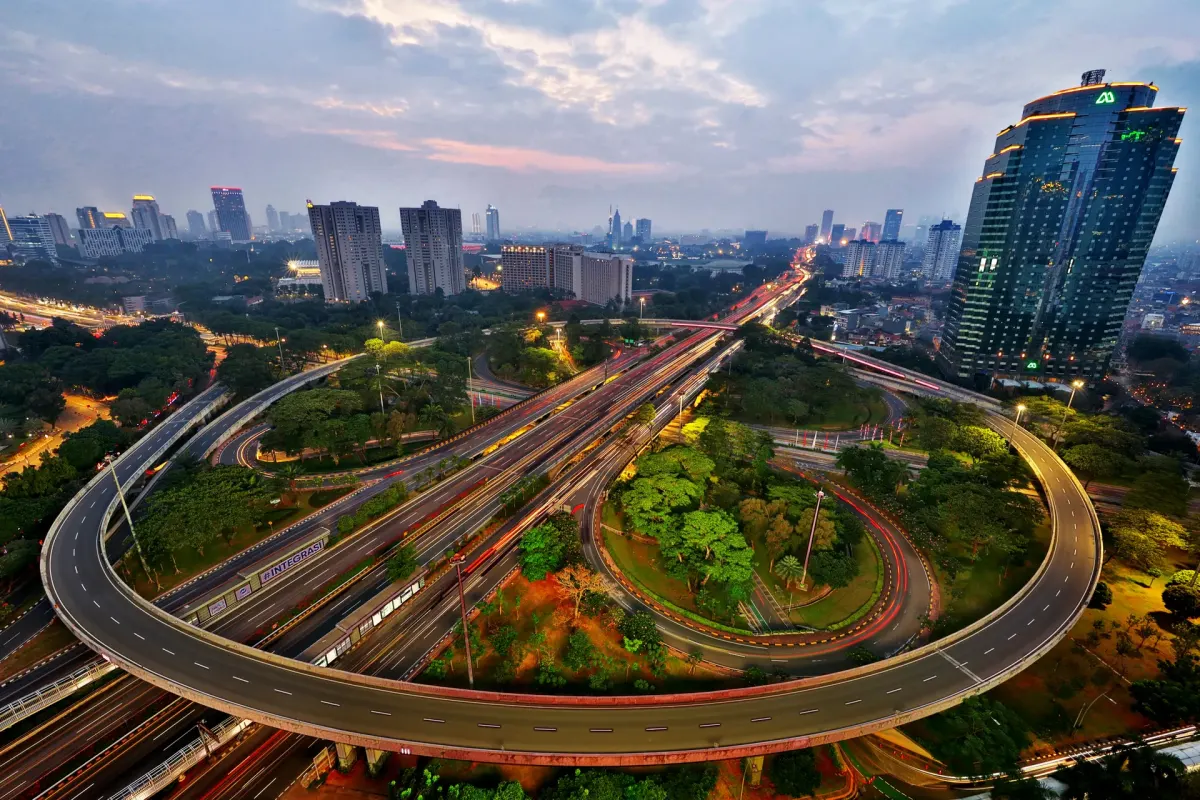
This is the most contested window. Many offices let staff go home earlier during Ramadan, so the evening jam arrives sooner and packs tighter. Drivers stuck in traffic before maghrib are thinking about one thing: where and what they will eat to break the fast. Food and beverage, delivery apps and retail benefit most. LED Mega Anggrek side A (9 x 18 m) faces traffic toward Tangerang, catching the westbound trip home. LED Dukuh Atas (7 x 14 m) faces Jl. Jend. Sudirman toward Senayan, the corridor office workers from Thamrin and Sudirman take on their way out.
Night: after tarawih, when Lebaran shopping starts
Once evening prayers finish, malls fill up again, especially from the third week. Indoor screens such as the LEDs inside Agora Lifestyle Mall in Central Jakarta suit messages that push an immediate purchase. On the roads, night traffic flows more freely, so a spot on a large screen like the robotic LED Mandarin at Bundaran HI, with three faces of 27 x 9 m, 8 x 16 m and 27 x 9 m, gets watched more comfortably than in the afternoon crush.
Do not forget the commuter belt. Many Jakarta workers live in Bekasi, and its malls fill after tarawih with families shopping close to home. The 6 x 12 m LED on the Metropolitan Mall Bekasi pedestrian bridge, on Jl. Arteri Baru KH. Noer Ali, can carry that evening message, particularly for retailers and shopping centres drawing visitors from the surrounding area.
Splitting the month week by week
What audiences need in week one is very different from the final days. Running one flat plan across the whole month usually wastes budget at one end. The phasing we use most often:
- One to two weeks before the fast: teasers and name recall, ideal for launching a Ramadan variant or limited packaging.
- Weeks one and two: messages built around sahur and iftar, heavy frequency in the late-afternoon daypart, light weekend activations.
- Week three: shopping. Employees in Indonesia receive a mandatory religious holiday bonus (THR) ahead of Lebaran, and malls get busy after tarawih. Shift weight toward mall screens and activations.
- The last ten days: the mudik exodus, when city workers travel back to their hometowns. Jakarta empties as Lebaran approaches, while destination and holiday cities get busier.
In that final phase, part of the Jakarta budget can move elsewhere. In Bogor we have LED Masjid Raya and LED Warung Jambu, each with two faces. In Bandung, LED Buah Batu A faces the Padalarang toll road and LED Riau B faces BIP and the city centre. Families holidaying in Bandung over Lebaran use routes like these, so messages aimed at out-of-town visitors make sense there.
Where activations fit during the fasting month
Screens build awareness and recall. Activations get people to try, play or take something home. During Ramadan the mechanics must follow fasting hours, and that is where plans copied from a normal month tend to fail.
Sampling shows the problem clearly. Handing out drinks at Jakarta's Sunday car-free day makes no sense when the crowd is fasting. Give out packaged samples to take home for iftar instead, or schedule mall sampling from about an hour before maghrib until after tarawih. Booths and interactive set-ups should also open later and close later than usual.
Formats that usually work:
- Interactive or AR games themed around ngabuburit, the local habit of passing the last hours before iftar, in a mall atrium with small prizes people can use to break the fast.
- A Lebaran-themed photobooth in weeks three and four, when families shop together for outfits and hampers.
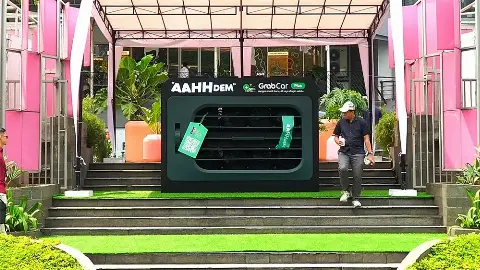
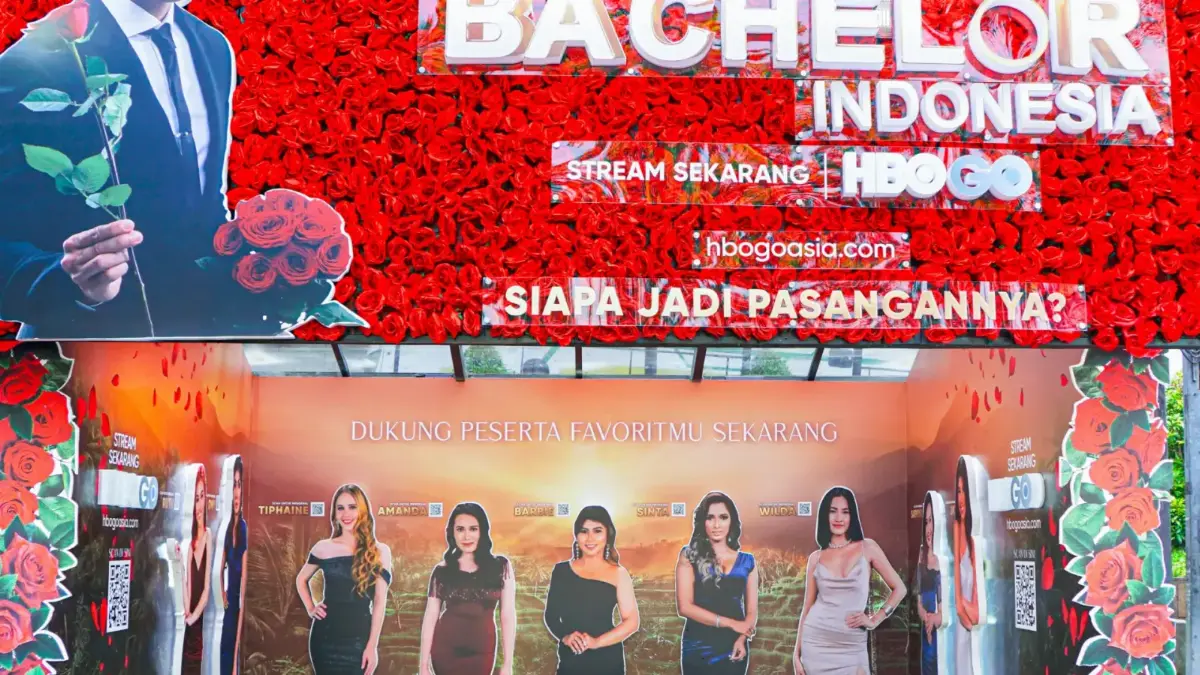
- Branded installations in public spaces that still look good in daylight without needing interaction, such as a themed bus shelter or meeting point.
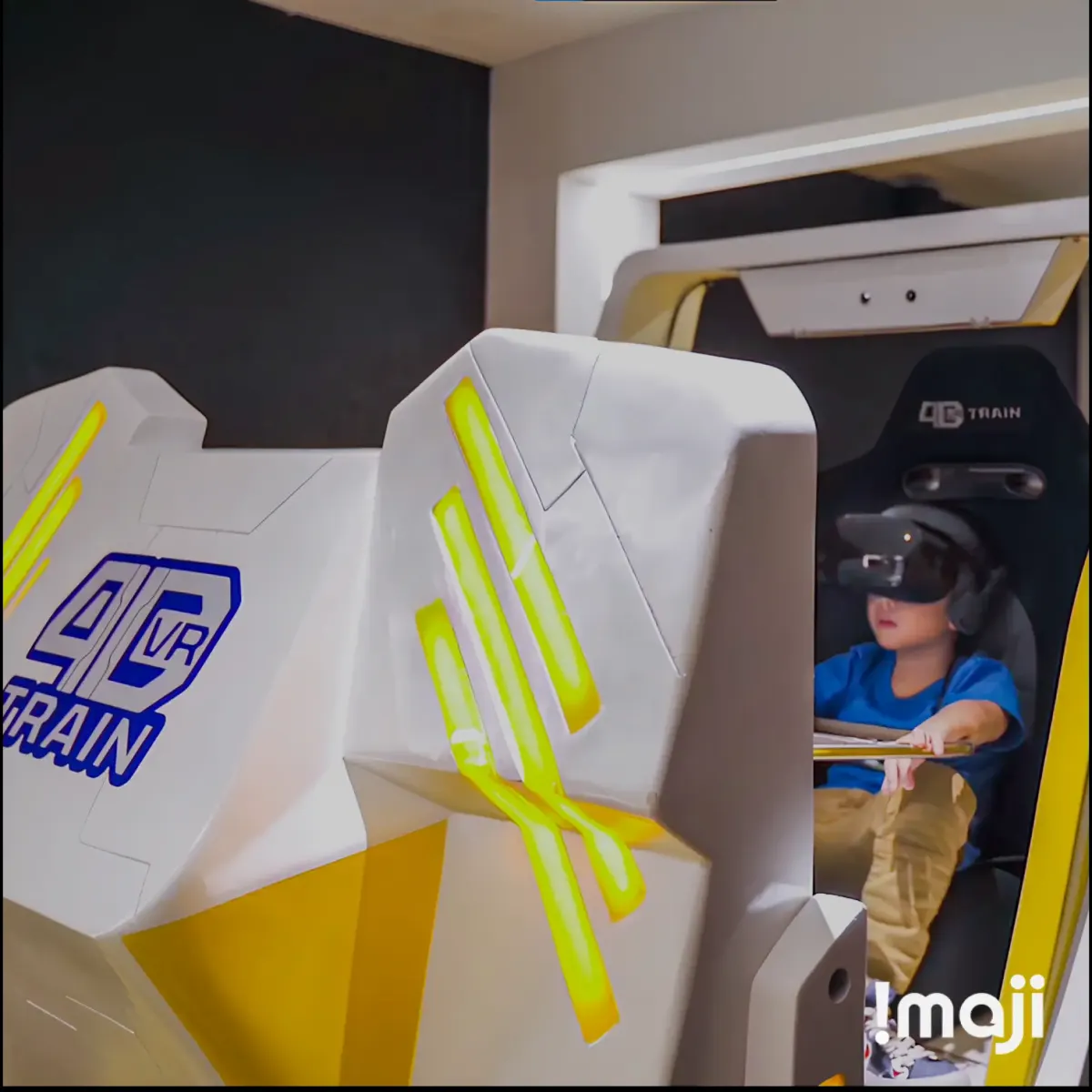
To link the two channels, show the activation's location and opening hours on screens near the venue, mostly in the late-afternoon slot. Our on-ground digital activity team builds interactive games, AR and photobooths with schedules set around iftar.
Creative that respects the fasting mood
People who are fasting read advertising in a different frame of mind. A few notes we give clients before production starts:
Prepare a daytime cut and a pre-iftar cut. Many food and drink brands run a daytime version without prominent eating or drinking scenes, then switch to more appetising visuals from late afternoon. On digital screens this is a scheduling setting, not a new booking. Match the length of each cut to the slot; our notes on videotron slot length and frequency apply to Ramadan creative too.
Use religious symbols respectfully and sparingly. Ketupat rice cakes, drums and festive lanterns appear in almost every brand's artwork, so what sets yours apart is a clear product message in a few words, not more ornaments. Avoid claims you cannot prove and anything touching on ethnicity, religion or race, which Indonesia's advertising code and laws treat seriously. New artwork also has to go through permits and advertising tax for each site, and our team checks this before anything goes live.
A simple readability test: if the main message cannot be read during one red light, the artwork is too dense for a roadside screen.
What drives the cost of a Ramadan campaign
Cost depends on the media mix and the length of the flight. The main factors are the sites and screen faces chosen, slot length and frequency, which dayparts you buy, contract length, the number of creative versions, and local advertising tax. For activations, cost depends on the venue and its rental, booth size, the interactive technology involved, crew size and the number of days. Demand peaks around Ramadan and Lebaran also affect availability, so the most accurate quote comes once dates and target cities are set.
Set up measurement before launch
Almost every category raises spend during Ramadan, so separating your campaign's effect from the seasonal lift is hard if measurement is only considered after Lebaran. Fix a baseline before going live: last year's Ramadan sales in the same city, or a city without screen exposure as a control. Use a different promo code or QR code for each site and each activation venue, and log booth visitors by the hour. That hourly data tells you which daypart deserves more weight the following week.
What to do this week
Pick one main objective for Ramadan: iftar-time sales, Lebaran shopping, or a new product introduction. Then choose the two or three dayparts that matter most and the cities you want to cover in the last ten days. If a year-end flight is already running, our article on a year-end advertising campaign in Jakarta shows how to roll it straight into the Ramadan schedule without a gap on air.
Send a short brief covering product, period, cities and indicative budget to the 8infiniooh team on WhatsApp +6282288108888. We will check site availability for February and March 2027 and come back with a combined screen and activation proposal, with pricing.